

Peloponnese
The Peloponnese, a stunning peninsula in southern Greece, is a treasure trove of natural and historical wonders. With its scenic coastlines, idyllic beaches, and dramatic mountains, it offers a perfect blend of adventure and relaxation. Travelers can explore ancient ruins in historic sites such as Mycenae and Epidaurus, stroll through charming villages with traditional architecture, and savor delicious local cuisine. Picturesque towns like Nafplio and Monemvasia provide a romantic ambiance, while the lush vineyards and olive groves highlight the region’s natural beauty. The Peloponnese truly captivates visitors with its rich cultural heritage and breathtaking landscapes.
Heaven on Earth: The Peloponnese
Nestled in the southern part of Greece, the Peloponnese is a region that epitomizes the essence of Greek beauty and authenticity. Often referred to as “Heaven on Earth,” this peninsula is a harmonious blend of captivating history, unspoiled nature, charming villages, and pristine seascapes.
Authentic Villages and Timeless Traditions
Wandering through the Peloponnese, you’ll encounter an array of picturesque villages, each exuding its own unique charm. Places like Dimitsana, Stemnitsa, and Kardamyli offer a glimpse into traditional Greek life. These villages are often characterized by stone-built houses, narrow cobblestone streets, and vibrant geranium-filled balconies. Here, time seems to slow down, allowing visitors to savor the simple joys of life, like sipping coffee at a local kafeneio and listening to the stories of hospitable villagers who take pride in their rich heritage and traditions.
Breathtaking Natural Landscapes
Nature in the Peloponnese is nothing short of awe-inspiring. From the towering peaks of the Taygetos mountains to the verdant valleys and olive groves, the region is a paradise for nature lovers. Hiking trails offer spectacular views and a chance to connect with the diverse flora and fauna. The Neda waterfalls provide a refreshing oasis, perfect for a serene escape into nature, while the Diros Caves entice explorers with their stunning underground lakes and rock formations.
Pristine Beaches and Crystal-clear Seas
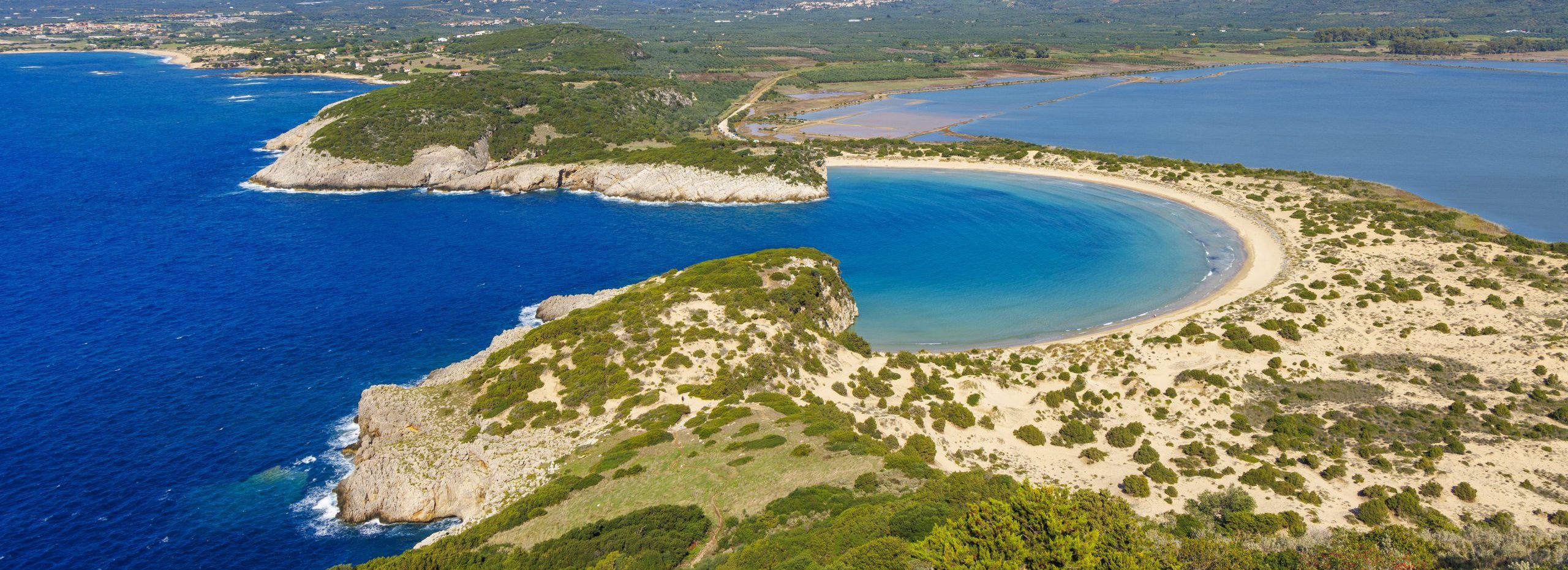
The coastlines of the Peloponnese boast some of the most beautiful beaches in Greece. Voidokilia and Elafonisos are particularly renowned for their soft sands and turquoise waters, ideal for swimming, sunbathing, and unwinding. These beaches, often less crowded than those on more popular Greek islands, provide an intimate setting where the rhythmic sound of the waves lulls visitors into a state of relaxation.
A Journey Through History
The Peloponnese is a living museum of ancient history. It is where legends were born and historic events unfolded. Ancient Olympia, the birthplace of the Olympic Games, offers a fascinating window into the past with its well-preserved ruins and museum collections. The ancient theatre of Epidaurus is renowned for its impeccable acoustics, still hosting performances that echo the artistry of antiquity. Mycenae, with its imposing Lion’s Gate and royal tombs, tells tales of a civilization that greatly influenced Western culture.
In the Peloponnese, authenticity is not just preserved; it is celebrated. This “Heaven on Earth” invites you to step back in time, immerse yourself in the splendor of its landscapes, and experience the warmth of its people. Whether you’re exploring ancient ruins, wandering through charming villages, or simply soaking in the beauty of the sunset over the Ionian Sea, the Peloponnese offers an unparalleled journey into the heart of Greece.
CONTACT US
Good to know
Traveling to the Peloponnese, Greece’s enchanting southern peninsula, offers a rich tapestry of history, culture, and natural beauty that captivates the soul. Whether you’re an enthusiast of ancient history, a lover of breathtaking landscapes, or a fan of authentic Greek cuisine, the Peloponnese has something extraordinary to offer. Here are some essential things to know as you plan your journey.
[/vc_column_text]
Country
Greece
Visa requirements
The Peloponnese is part of Greece and the Schengen Area. Citizens from the EU, EEA, and many other countries can visit without a visa for short stays. Be sure to check the specific visa requirements for your nationality before traveling.
Languages spoken
Greek is the official language. However, English is widely understood in tourist areas and among younger people.
Curency used
Euro (€)
Area (km2)
Approximately 21,549 square kilometers
Geographical Overview
The Peloponnese is located south of the mainland and is connected to the rest of Greece by the narrow Isthmus of Corinth. The region boasts diverse terrain, including rugged mountains, lush forests, and stunning coastlines. Major cities like Patras, Kalamata, Corinth, and Nafplio serve as cultural and logistical hubs, each with its own character and attractions.
Historical Significance
This region is a treasure trove for history buffs. Ancient sites such as Olympia, the birthplace of the Olympic Games; Mycenae, with its legendary Lion’s Gate and royal tombs; the well-preserved theater of Epidaurus; and the ancient city of Sparta are just a few of the monumental attractions. These historical landmarks offer insights into Greece’s influential ancient civilizations and are integral to understanding the heritage and evolution of Greek culture.
Cultural Insights
The Peloponnese is alive with cultural traditions. Throughout the year, local festivals celebrating music, dance, and religious events provide a glimpse into the vibrant local lifestyle. The cuisine is another highlight, with the region famous for its Kalamata olives, feta cheese, and rich olive oil. Don’t miss trying traditional dishes such as moussaka, souvlaki, and local pastries. While Greek is the primary language spoken, English is widely understood, especially in areas frequented by tourists.
Transportation
Getting to and around the Peloponnese is relatively straightforward. It is accessible by road from Athens, crossing the Corinth Canal. The region has airports in Kalamata and Patras which offer domestic and some international flights. Public transportation, including buses and trains, connects major cities, but renting a car is recommended for exploring more remote or rural areas at your own pace. Ferry services are also available, offering scenic trips to nearby islands and coastal destinations.
Top Attractions
The Peloponnese’s top attractions include ancient Olympia, the awe-inspiring acoustics of the theater at Epidaurus, and the archaeological wonder of Mycenae. Beach lovers will enjoy the sandy stretches at Voidokilia and Elafonisos, while those interested in natural beauty can explore attractions like the Diros Caves and Neda waterfalls.
Outdoor Activities
For outdoor enthusiasts, the Peloponnese offers a host of activities. Hiking trails abound in the Taygetos and Parnon mountain ranges, providing breathtaking views and a chance to experience the region’s flora and fauna. Water sports like kayaking, sailing, and snorkeling are popular along the coast. Wine connoisseurs will appreciate tours in the vineyards of Nemea, which produce some of Greece’s finest wines.
When to Visit
The best times to visit the Peloponnese are during spring (April to June) and autumn (September to November) when the weather is mild and the tourist crowds are smaller. Summers (July and August) can be very hot and crowded, especially at popular tourist sites.
CONTACT US